


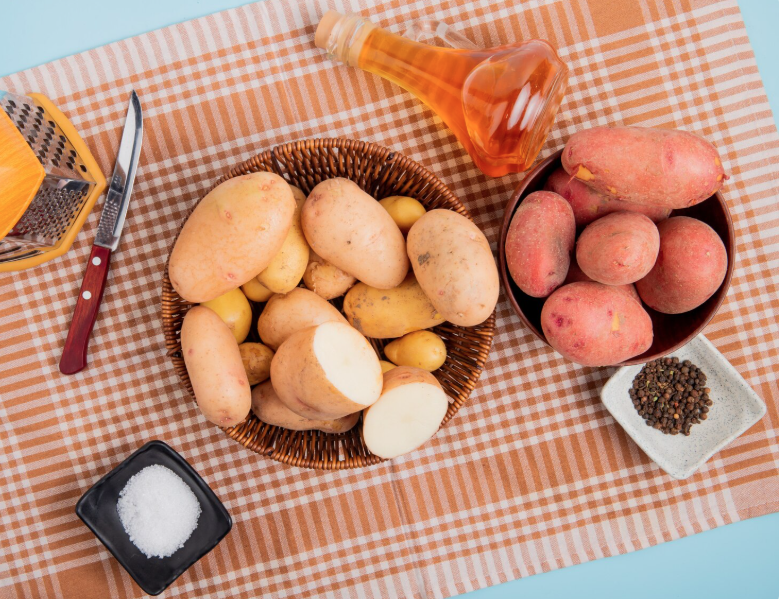
Herbs and spices can make familiar homemade meals taste different without requiring complicated cooking methods. tastymenuideas.com offers food inspiration for readers who enjoy learning simple ways to prepare and improve everyday dishes. A small amount of seasoning can change the flavour, aroma, and appearance of a meal. Fresh herbs often bring a light, fragrant quality, while dried spices can add warmth and depth. The right combination depends on the ingredients, cooking method, and personal preference. Some people enjoy strong flavours, while others prefer mild seasoning that does not overpower the main dish. Learning how these ingredients work makes cooking more flexible. It also helps home cooks use the items already available in their kitchen instead of buying a large collection of unfamiliar products.
Understanding Fresh Herbs
Fresh herbs are leaves or tender stems used to add flavour and fragrance to food. Coriander, mint, parsley, basil, dill, and rosemary are common examples. Each herb has its own character, so they are not always suitable for the same dishes. Coriander is widely used in many Indian meals, while basil often appears in pasta dishes and fresh salads. Mint can bring a cooling taste to chutneys, drinks, and yoghurt-based accompaniments. Rosemary has a stronger fragrance and works well with roasted vegetables. Learning the character of each herb helps cooks choose combinations more confidently. It is usually better to begin with a small quantity and add more after tasting. Fresh herbs can become overpowering when used without considering the other ingredients.
Choosing Dried Seasonings
Dried herbs and spices are useful when fresh ingredients are unavailable or difficult to store. They have a longer shelf life when kept away from moisture, direct sunlight, and strong heat. Common dried seasonings include cumin, coriander powder, turmeric, black pepper, oregano, chilli flakes, and dried basil. Their flavour can be more concentrated than fresh herbs, so the quantity may need adjustment. A small amount of dried oregano can add a noticeable flavour to a simple tomato-based dish. Cumin can bring an earthy quality to lentils, vegetables, and rice. Every seasoning has a different strength, and the best amount depends on the recipe. Start with less than you think you need, then adjust gradually. This makes it easier to avoid a dish becoming too strongly seasoned.
Pairing Herbs With Vegetables
Vegetables can take on different flavours when prepared with suitable herbs. Carrots work well with parsley, thyme, and a little black pepper. Potatoes can be seasoned with rosemary, garlic, or dried oregano before roasting. Fresh coriander adds a pleasant finish to cooked beans, peas, and mixed vegetable dishes. Basil can complement tomatoes, while dill can work well with cucumber and yoghurt. These combinations are useful starting points rather than fixed rules. A cook can change the seasoning according to the vegetables available and the flavour preferred by the family. It is also worth considering the cooking method. Delicate herbs may lose some fragrance during long cooking, so adding them near the end can help preserve their fresh character.
Using Spices With Care
Spices can provide warmth, colour, aroma, and flavour to everyday meals. Turmeric is often used in vegetable dishes and lentil preparations, while cumin brings an earthy taste. Coriander powder offers a mild citrus-like note, and black pepper gives a sharper finish. Cinnamon is often associated with sweet dishes, although small amounts can also work in certain savoury recipes. Chilli powder should be used according to the preferred level of heat. Families with different tastes may prefer keeping the base dish mild and serving stronger seasoning separately. This approach allows everyone to adjust their own meal. Spices should be stored in clean, dry containers with secure lids. Their aroma gradually weakens over time, so checking freshness before use is a sensible kitchen habit.
Building Balanced Flavours
A balanced dish usually contains more than one flavour element. Salt, acidity, sweetness, bitterness, and savoury notes can influence how the final meal tastes. Lemon juice may brighten a dish that feels too rich, while a small amount of natural sweetness can soften sharp flavours. Herbs can add fragrance, and spices can create depth. These elements should work together rather than compete for attention. If a vegetable dish tastes flat, a little lemon juice or fresh coriander may improve it. If a sauce feels too sharp, a small amount of cream or yoghurt may create a softer finish, depending on the recipe. Tasting during cooking is one of the most useful habits a home cook can develop. It helps identify what is missing before the meal reaches the table.
Preparing Homemade Seasoning Mixes
Homemade seasoning mixes can make everyday cooking easier. A basic mix might include dried oregano, garlic powder, black pepper, and a small amount of chilli flakes. Another combination could use cumin, coriander powder, turmeric, and dried mango powder for certain Indian-style dishes. The ingredients should be mixed in a clean bowl and transferred to a dry container. Prepare small quantities at first because the aroma may fade during extended storage. Write the preparation date on the container so the mix can be checked later. Homemade blends also allow cooks to control salt and chilli levels. This is useful when preparing meals for children or family members who prefer milder flavours. Avoid mixing every available seasoning together. A few compatible ingredients often create a clearer result than a crowded blend.
Adding Herbs At The Right Time
The timing of seasoning can affect the final taste. Some dried spices benefit from brief cooking in oil because warmth helps release their aroma. However, they should not be left unattended because excessive heating can make them bitter. Fresh herbs often work well near the end of cooking, particularly when their fragrance is delicate. Coriander leaves can be added just before serving, while rosemary may be included earlier when roasting vegetables. Basil can be added after a sauce has finished simmering to preserve more of its fresh character. These are general suggestions, and the best timing depends on the dish. Reading the recipe and observing how ingredients respond during cooking will improve results over time. Small adjustments are easier to manage than changing several seasoning steps at once.
Growing A Small Herb Garden
A small herb garden can provide fresh ingredients close to the kitchen. Mint, coriander, basil, and parsley can grow in suitable containers when they receive the right amount of sunlight and water. The growing conditions vary, so each plant should be checked before choosing its location. Containers need drainage because standing water can damage roots. Regular trimming may encourage some herbs to grow more evenly, although the method depends on the plant. A sunny windowsill, balcony, or outdoor corner may be suitable when the conditions are right. Start with one or two herbs that are used frequently rather than growing many varieties at once. This makes care easier and reduces waste. Fresh leaves should be washed before use, even when they come directly from a home garden.
Keeping Seasonings Fresh
Good storage helps herbs and spices retain their flavour for longer. Dried seasonings should be kept in airtight containers in a cool, dry cupboard. Avoid storing them directly above a cooking area where steam and warmth may affect their quality. Fresh herbs need different care. Some can be kept in the refrigerator with their stems placed in a little water, while others may stay fresh when wrapped loosely in a clean, slightly damp cloth. The best method depends on the herb and how quickly it will be used. Wash fresh leaves when needed and dry them properly before storage. Excess moisture can encourage spoilage. If an herb develops an unusual smell, slimy texture, or visible mould, it should not be used.
Conclusion
Fresh herbs and spices give home cooks simple ways to change familiar meals and explore new flavours. Understanding their individual qualities, storing them correctly, and adding them at suitable stages can improve everyday cooking. Begin with a few commonly used ingredients and learn how they work with vegetables, grains, sauces, and other dishes. Taste as you cook, make small adjustments, and keep notes about combinations your household enjoys. Explore more food ideas, experiment with fresh ingredients, and build a seasoning routine that makes homemade meals more enjoyable.
Read also :-