


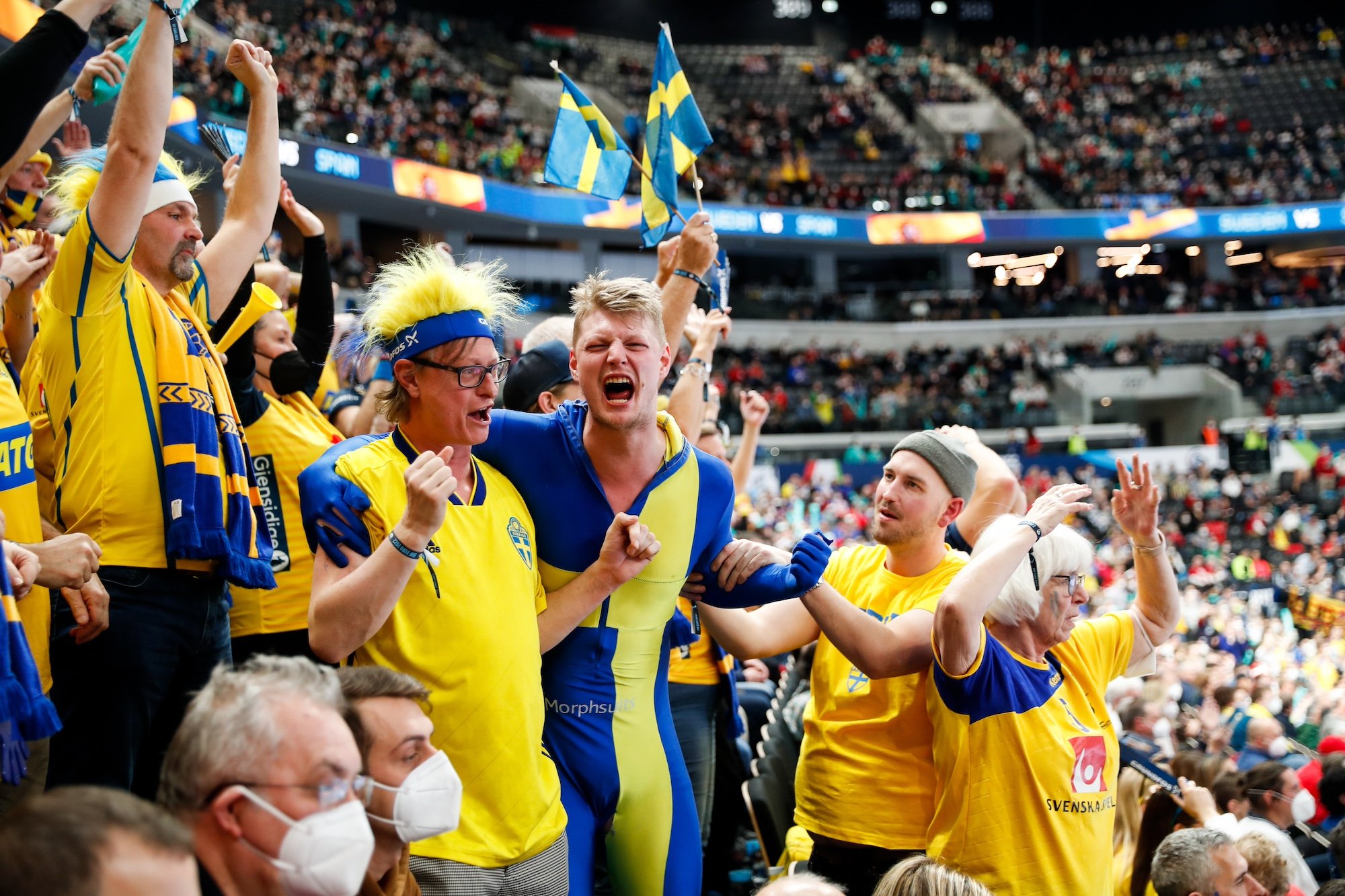
Sports Fan Culture has evolved into one of the most powerful expressions of emotion and identity across the globe. Whether it’s the roaring crowds at a football stadium, the synchronized chants of cricket fans in India, or the rhythmic drums in a basketball arena, fan culture is what gives sports their soul.
Every cheer, every song, every wave of a flag represents more than support—it’s an identity. Fans create stories that transcend generations, turning matches into moments of collective euphoria and heartbreak.
This vibrant culture of fans extends far beyond stadiums. It lives in streets, in digital spaces, and in daily conversations, connecting millions through shared passion and loyalty.
The Global Rise of Sports Fan Culture
The origins of Sports Fan Culture can be traced back centuries. Ancient civilizations gathered for athletic events, celebrating strength and skill. However, the modern fan phenomenon took shape with the rise of professional leagues in the 19th and 20th centuries.
Soccer fans in England, baseball enthusiasts in America, and cricket supporters in South Asia all began creating distinct rituals and traditions. Over time, fan communities transformed into cultural powerhouses.
What makes this culture fascinating is how it adapts to local identities. In Argentina, football is religion. In Japan, baseball fandom is marked by politeness and precision. In India, cricket isn’t just a sport—it’s a national heartbeat.
Each region adds its own rhythm, color, and emotion, making the global fan experience uniquely diverse yet universally relatable.
The Heartbeat of the Stadium: Rituals and Traditions
At the center of Sports Fan Culture lies ritual. The act of painting faces, waving scarves, or singing national anthems creates a shared rhythm between players and supporters.
Take the example of Liverpool FC fans singing “You’ll Never Walk Alone.” It’s not just a song—it’s a moment that unites the entire stadium into one voice, echoing across generations.
In cricket, the Barmy Army (England’s traveling supporters) brings unmatched humor and energy wherever their team plays. Meanwhile, Indian fans fill stadiums with drumming, dancing, and chants that blend sports with celebration.
Rituals also extend to personal habits. Some fans wear lucky jerseys, others refuse to move during key overs or quarters. These superstitions, while playful, highlight the deep emotional investment fans have in their teams.
Every match becomes more than competition—it’s a cultural event where tradition, belief, and emotion collide.
Social Identity and the Power of Belonging
What drives Sports Fan Culture is a sense of belonging. Supporting a team isn’t just about the game—it’s about being part of something larger than oneself.
Fans identify with their teams the way people connect with nations or communities. The team’s victories feel personal, and losses cut deep. This shared identity builds solidarity among strangers who might have nothing else in common.
Sociologists often describe sports fandom as a “modern tribe.” In these tribes, symbols like jerseys, chants, and flags act as badges of membership. When fans gather, whether in stadiums or on social media, they reaffirm their collective identity.
Even in a digital age, where physical attendance isn’t always possible, the sense of unity remains. Online groups, fan podcasts, and live streams recreate the same camaraderie, proving that fandom is not limited by geography.
Cultural Expressions Across Continents
The diversity within Sports Fan Culture is what makes it extraordinary. Every country brings a unique flavor to its fandom, shaped by history, tradition, and local pride.
In Latin America, football fandom is fiery and poetic. Supporters’ clubs known as “barras bravas” fill stadiums with song and color. In contrast, Japan’s baseball fans maintain a culture of disciplined enthusiasm, singing team songs in perfect harmony.
In the United States, sports fandom blends entertainment and spectacle. NFL tailgate parties, NBA halftime shows, and college mascots are cultural icons in themselves.
Meanwhile, in Africa, football fandom connects communities. During major tournaments like AFCON or the World Cup, entire towns gather around shared screens, celebrating victories as national triumphs.
This blend of regional passion makes Sports Fan Culture a global mosaic—each piece distinct, yet all bound by the same emotional thread.
The Role of Media in Shaping Fan Experience
The evolution of Sports Fan Culture is deeply linked with media. Radio commentary in the early 20th century gave fans their first real-time connection to distant games. Television then brought visuals, transforming players into global heroes.
Today, social media has taken fan engagement to an entirely new level. Platforms like X (formerly Twitter), Instagram, and TikTok have made fandom interactive. Fans can express opinions, create memes, and connect directly with players.
Streaming platforms have also democratized access. A basketball fan in Nigeria can follow the NBA as passionately as someone in Los Angeles. This digital expansion has made sports fandom more inclusive, breaking barriers of geography and language.
However, the rise of online fandom has also introduced challenges—such as toxic rivalries and misinformation. Responsible fan participation ensures that digital spaces remain celebratory and respectful, aligning with the ethical spirit of modern fan culture.
Fan Economies and the Business of Emotion
Modern Sports Fan Culture has become a massive economic force. Merchandise sales, ticketing, and digital memberships are driven largely by fan loyalty.
Clubs and leagues recognize the emotional power of fans and invest heavily in fan engagement programs. From personalized jerseys to behind-the-scenes content, teams strive to deepen emotional connections.
Even technology has joined the game. Augmented reality (AR) experiences, fan tokens, and virtual watch parties bring fans closer to the action than ever before. These innovations enhance the emotional and interactive aspects of fandom, ensuring that every supporter feels valued.
But at its core, the economy of fandom isn’t just about money—it’s about relationships. When fans trust that a team respects their loyalty, they respond with unwavering passion and lifelong support.
Sports Fan Culture and Social Change
Beyond entertainment, Sports Fan Culture plays a significant role in shaping social values. Fans often use their collective voice to promote causes like equality, environmental awareness, and inclusivity.
Campaigns like “Kick It Out” in football and “Black Lives Matter” in the NBA show how fan communities can support movements for justice and fairness. Sports arenas become platforms for social expression, where fans unite not just for victory, but for change.
This social consciousness reflects the maturity of modern fandom. Supporters today understand that sports are intertwined with real-world issues and use their influence to make a difference.
Emotion, Art, and the Human Connection
At its heart, Sports Fan Culture is about emotion. It’s the tears of joy after a World Cup win, the collective silence after a last-minute defeat, the euphoria of a comeback no one expected.
This emotional connection inspires art, music, and storytelling. Songs, murals, and films often celebrate the depth of fan devotion. Sports documentaries, for instance, explore not only athletic performance but the undying loyalty of fans.
Every banner waved, every voice raised, adds to the living art of fandom. It’s this human element—the ability to feel deeply for a team—that keeps sports alive as a cultural phenomenon.
The Future of Global Fan Culture
As technology advances and global access expands, Sports Fan Culture will continue to evolve. Virtual reality stadiums, AI-driven fan experiences, and global fan meetups will redefine how supporters connect.
Yet, despite innovation, the essence will remain unchanged—the passion, the chants, the community, and the shared heartbeat of millions cheering together.
What began as a simple act of support has become a worldwide celebration of humanity’s need to connect, belong, and believe.
Read also:
naman dhir
mehidy hasan miraz
pakistan national cricket team vs bangladesh national cricket team standings
sri lanka national cricket team vs bangladesh national cricket team match scorecard
vidyarthi bhavan menu
novaara mumbai menu
taj hotel mumbai tea price menu card