


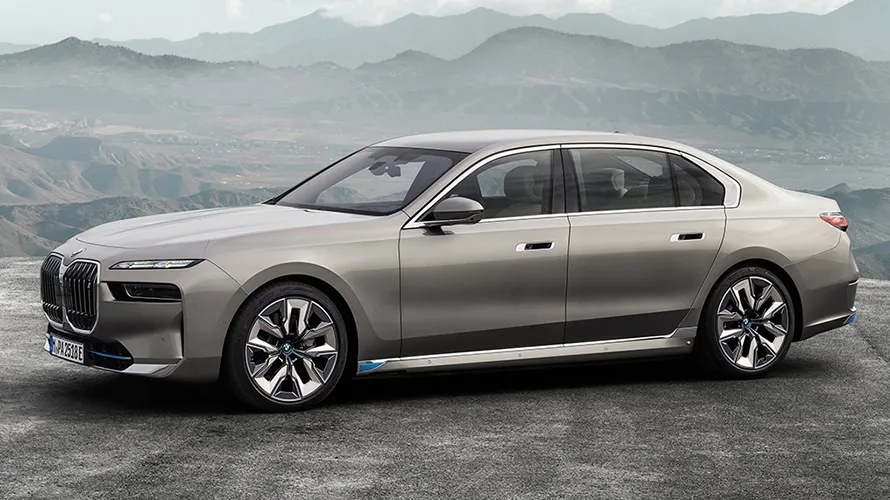
BMW electric vehicles are no longer a quiet experiment or a niche option for early adopters. They represent a confident shift by one of the world’s most respected automotive brands toward a future where sustainability and driving pleasure coexist. From city-friendly electric sedans to high-performance SUVs, BMW’s electric lineup reflects decades of engineering experience blended with modern innovation.
A longtime BMW owner once told me that switching to electric felt risky at first. He worried the brand’s signature driving feel might disappear. After a week behind the wheel of a BMW EV, his doubts faded. The smooth acceleration, precise handling, and refined cabin felt unmistakably BMW, just without engine noise. That reaction captures the essence of BMW’s electric strategy.
Rather than reinventing itself overnight, BMW has carefully evolved, ensuring electric mobility feels familiar, premium, and emotionally engaging.
BMW’s Thoughtful Entry into Electric Mobility
BMW didn’t rush blindly into electrification. The company spent years researching battery technology, lightweight materials, and software integration before scaling its electric offerings.
Early electric models served as learning platforms. BMW used them to understand real-world usage, charging behavior, and customer expectations. These insights now shape the latest generation of electric models.
This measured approach builds trust. Buyers know BMW isn’t chasing trends but applying proven engineering principles to a new powertrain era.
The Philosophy Behind BMW’s Electric Design
BMW electric cars don’t scream futuristic for attention. Instead, they balance modern aesthetics with timeless design language.
Exterior styling remains elegant and purposeful. Subtle aerodynamic tweaks improve efficiency without compromising brand identity. Inside, cabins focus on comfort, intuitive controls, and premium materials rather than overwhelming screens.
This design restraint appeals to drivers who want innovation without sacrificing sophistication.
Driving Feel Still Comes First
One of the biggest concerns for traditional BMW fans is whether electric models can deliver the brand’s signature driving dynamics. BMW engineers treat this as a non-negotiable priority.
Electric motors provide instant torque, resulting in quick acceleration that feels both effortless and controlled. Weight distribution is carefully managed, often benefiting from low-mounted battery packs.
The result is a driving experience that feels agile, responsive, and confidence-inspiring, whether navigating city streets or open highways.
BMW electric vehicles and Performance Expectations
BMW electric vehicles challenge the outdated idea that EVs are only about efficiency. Performance-focused variants deliver impressive power while maintaining everyday usability.
Acceleration is smooth but strong, allowing confident overtaking and spirited driving. Steering feedback remains precise, preserving BMW’s reputation for driver engagement.
These characteristics reassure enthusiasts that electrification doesn’t mean sacrificing excitement.
Battery Technology and Real-World Range
BMW prioritizes real-world usability over headline numbers. Battery systems are designed for consistent performance across different climates and driving conditions.
Thermal management systems help maintain efficiency during extreme temperatures. Charging performance is optimized to balance speed and battery longevity.
This focus on reliability reflects BMW’s engineering-first mindset and commitment to long-term ownership satisfaction.
Charging Experience and Infrastructure Integration
Charging convenience plays a major role in EV adoption. BMW integrates charging solutions seamlessly into the ownership experience.
Navigation systems intelligently plan routes with charging stops, reducing range anxiety. Mobile apps allow drivers to monitor charging status remotely.
By simplifying these interactions, BMW removes barriers that often discourage new EV buyers.
Interior Technology That Feels Human
BMW interiors focus on clarity and ease of use. Digital displays are clean and responsive without overwhelming the driver.
Voice control systems understand natural language, reducing the need for complex menus. Physical controls remain where they make sense, blending tradition with modern convenience.
This human-centered approach reflects BMW’s understanding that technology should assist, not distract.
Sustainability Beyond the Powertrain
BMW’s commitment to sustainability extends beyond electric motors. Manufacturing processes increasingly use renewable energy and recycled materials.
Interior components often feature responsibly sourced fabrics and trims. BMW also considers end-of-life battery recycling as part of its broader environmental strategy.
These efforts enhance credibility and align with growing consumer expectations for responsible production.
BMW electric vehicles in Daily Life
BMW electric vehicles integrate smoothly into everyday routines. Quiet operation reduces fatigue during long commutes, while regenerative braking simplifies city driving.
Owners often mention how relaxed driving feels compared to traditional vehicles. The absence of engine vibration creates a calmer cabin environment.
This everyday comfort reinforces the idea that EVs aren’t just eco-friendly alternatives but practical upgrades.
Safety Systems Built on Experience
BMW has decades of experience developing advanced safety systems. Electric models benefit from this legacy through comprehensive driver assistance technologies.
Features such as adaptive cruise control, lane assistance, and collision prevention work together seamlessly. These systems are refined through extensive real-world testing.
BMW’s cautious implementation avoids overpromising, focusing instead on reliability and driver confidence.
Software Updates and Continuous Improvement
BMW increasingly uses software updates to enhance vehicle functionality. These updates improve navigation accuracy, efficiency algorithms, and infotainment features.
Unlike disruptive overhauls, updates are subtle and purposeful. They enhance existing systems rather than reinventing them.
This steady improvement model builds long-term value and trust.
Ownership Experience and Brand Support
Premium ownership extends beyond the vehicle itself. BMW offers comprehensive service networks and dedicated EV support.
Service advisors are trained specifically for electric models, ensuring informed guidance. Warranty coverage and service transparency reinforce confidence.
This ecosystem approach reflects BMW’s understanding that trust extends beyond engineering into customer relationships.
BMW electric vehicles and the Future of the Brand
BMW electric vehicles represent a bridge between heritage and innovation. Rather than abandoning its roots, BMW translates core values into a new technological context.
Future models will continue refining battery efficiency, software intelligence, and driving dynamics. BMW’s long-term roadmap emphasizes flexibility rather than rigid commitments.
This adaptability ensures relevance in a rapidly evolving automotive landscape.
Comparing BMW’s Electric Approach to Competitors
BMW doesn’t compete by chasing extremes. Instead of focusing solely on maximum range or radical design, it prioritizes balance.
Competitors may excel in specific areas, but BMW aims for a holistic experience. Performance, comfort, safety, and sustainability receive equal attention.
This balanced philosophy appeals to drivers seeking long-term satisfaction rather than novelty.
Trust Earned Through Transparency
BMW communicates clearly about capabilities and limitations. Range estimates are realistic, and charging expectations are clearly explained.
This honesty builds credibility. Customers feel informed rather than misled, strengthening long-term trust.
From an EEAT perspective, transparency reinforces BMW’s authority and reliability.
Real Stories from BMW EV Owners
Many owners describe their transition to electric as smoother than expected. Familiar driving dynamics ease the learning curve.
Some mention reduced maintenance costs and quieter commutes as unexpected benefits. These experiences reinforce BMW’s claim that electric mobility can enhance daily life.
Real-world satisfaction speaks louder than marketing promises.
The Emotional Side of Electric Driving
Driving has always been emotional for BMW fans. Electric power doesn’t eliminate that connection; it reshapes it.
Instant torque creates a new kind of thrill. Silent acceleration feels futuristic yet refined.
BMW successfully channels emotion through design, handling, and performance rather than engine sound.
BMW electric vehicles as a Long-Term Investment
BMW electric vehicles are designed with longevity in mind. High-quality materials, robust battery management, and continuous software updates support long-term ownership.
Resale value benefits from BMW’s strong brand reputation and growing EV acceptance. Buyers recognize the value of a well-supported electric platform.
This long-term perspective aligns with BMW’s premium positioning.
Innovation Without Losing Identity
BMW’s greatest achievement may be preserving its identity while embracing change. Electric mobility becomes an evolution, not a replacement.
Drivers still feel connected to the road. Interiors still feel driver-focused. Design still feels unmistakably BMW.
This continuity reassures loyal customers while welcoming new ones.
The Road Ahead for BMW’s Electric Vision
BMW continues investing heavily in research and development. Future electric platforms promise lighter materials, faster charging, and smarter energy management.
Rather than rushing announcements, BMW focuses on delivering proven improvements. Each generation builds on the last.
This disciplined innovation strategy positions BMW strongly for the next decade of mobility.
Read also: