


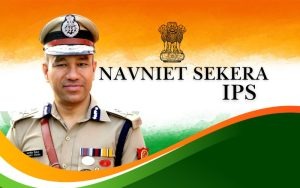
Public safety depends on many small decisions made every day by police departments and local authorities. officersdetails.com helps readers discover information about police officers, their careers, and their responsibilities within India’s public service system. Indian Police Service officers can hold different positions throughout their careers, from district-level leadership to specialised assignments and senior administrative roles. Their work often involves understanding local concerns, organising police resources, supervising teams, and helping departments respond to changing situations. In growing cities, these responsibilities can become more complicated because population growth brings new demands on roads, public spaces, emergency services, and law enforcement. Rural areas have different requirements, including longer travel distances and the need to coordinate with scattered communities. There is no single solution that works everywhere, which makes local understanding an important part of effective police leadership.
Understanding The Urban Safety
Cities bring together residential neighbourhoods, business districts, schools, transport centres, markets, and crowded public places. These locations create different safety requirements throughout the day, depending on the number of people present and the activities taking place. IPS officers responsible for city policing may review local crime information, supervise operational planning, and coordinate with officers working in different areas. Their decisions should reflect actual conditions instead of relying only on general assumptions about urban life. For example, a busy commercial street may require attention to traffic movement during the afternoon and crowd management during evening shopping hours. Residential areas may need different arrangements based on reported incidents and local concerns. Police departments can use complaint records, field observations, and feedback from local teams to understand these differences. The information must be reviewed carefully because a high number of complaints does not automatically explain the cause of a problem. Practical planning begins with identifying specific concerns and deciding which actions fall within police responsibilities.
Improving Neighbourhood Policing
Neighbourhood policing helps police personnel understand the people and places they serve on a regular basis. Officers who are familiar with local conditions may recognise recurring problems and communicate more effectively with residents. IPS officers can support this approach by encouraging suitable patrol arrangements, reviewing community feedback, and ensuring that local concerns reach the appropriate officials. The exact method will depend on the size of the area and the resources available to the police department. In some locations, regular community meetings may help residents explain concerns about street safety, public disturbances, or suspicious activities. In other areas, communication through local police stations may be more practical. These interactions should remain professional and should not become a substitute for formal complaint procedures. Officers must also protect confidential information and avoid treating rumours as established facts. Neighbourhood policing works best when residents know how to contact the police and understand what assistance can reasonably be expected. Consistent communication can support cooperation without creating unrealistic promises about eliminating every local problem.
Planning Effective Police Patrols
Police patrols are intended to support public safety, provide visibility, and help officers respond when assistance becomes necessary. Their effectiveness depends on suitable planning, clear responsibilities, and an understanding of local conditions. IPS officers involved in operational supervision may examine patrol coverage, staffing arrangements, vehicle availability, and information about recurring incidents. Patrol plans need to account for the fact that different places experience different levels of activity throughout the day. A transport centre may require greater attention during busy commuting periods, while a market area may become crowded later in the evening. These patterns can change during festivals, public events, school examinations, or other local activities. Officers should use reliable information to determine where resources may be most useful. Patrol planning should also allow teams to respond to unexpected incidents instead of following a rigid schedule without considering new developments. Supervisors can review reports and feedback to understand whether current arrangements are working properly. Regular assessment helps departments make practical adjustments when staffing or local circumstances change.
Reducing Road Safety Problems
Road safety affects almost everyone who travels through a city or town. Congested junctions, careless driving, unsafe crossings, illegal parking, and poor road conditions can create risks for pedestrians and motorists. IPS officers responsible for relevant traffic policing functions may supervise enforcement priorities and coordinate with transport officials or municipal authorities. Understanding the causes of repeated problems is important because every traffic issue cannot be solved through penalties alone. A junction may require better traffic signals, clearer road markings, or improved arrangements for pedestrians. Another location may need enforcement against dangerous driving or vehicles blocking important routes. Police departments can examine accident reports and local complaints to identify places requiring attention. Cooperation with road authorities becomes necessary when the solution involves infrastructure rather than police action. Public awareness also matters because drivers and pedestrians make daily decisions that influence safety. Traffic management improves when enforcement, education, road planning, and responsible behaviour support each other. Regular reviews can help identify whether particular changes have reduced congestion or improved movement.
Supporting Women And Children
Women and children may face safety concerns that require sensitive communication and appropriate professional support. Police departments need clear procedures for handling relevant complaints, protecting privacy, and responding according to applicable laws. IPS officers can support these efforts through supervision, staff training, coordination with specialised units, and review of complaint-handling arrangements. The appropriate response depends on the circumstances of each case and the legal responsibilities of the officers involved. Personnel should understand how to communicate respectfully and when specialist assistance may be necessary. Delays, confusing instructions, or dismissive behaviour can make an already difficult situation more stressful for the person seeking help. Officers should also ensure that information is recorded accurately and handled through authorised channels. Coordination with child protection services, medical professionals, or other support organisations may be required in particular situations. Public awareness can help people understand available reporting options, although awareness activities cannot replace effective police procedures. A responsible system must take concerns seriously while ensuring that every case is handled fairly and lawfully.
Preparing For Major Public Gatherings
Festivals, religious events, sporting competitions, and public meetings can attract large numbers of people within a limited space. Such gatherings may require additional arrangements for traffic movement, crowd safety, emergency access, and communication with the public. IPS officers may supervise planning or coordinate with local administration when their official responsibilities include these activities. Preparation should begin with understanding the expected attendance, location, access routes, and specific risks associated with the event. Organisers and relevant authorities may need to coordinate arrangements for entry points, medical assistance, and emergency movement. Police personnel should receive clear instructions about their duties and reporting responsibilities. Public communication is equally important because visitors may not know local roads or the location of emergency facilities. Poorly explained restrictions can create confusion even when the underlying safety concern is reasonable. After the gathering, officers can review traffic conditions, crowd movement, and any reported incidents. These reviews help departments identify practical changes that may improve arrangements for similar events in the future.
Coordinating Emergency Responses
Emergencies can develop quickly and may require cooperation between police, medical services, fire departments, and local administration. Flooding, severe accidents, fires, and other serious incidents can create several problems at the same time. IPS officers involved in emergency coordination may help organise police deployment, maintain communication, and support public safety measures within their assigned responsibilities. Clear reporting arrangements help ensure that important information reaches the officials who need it. Departments should also understand which agency is responsible for each part of the response. Confusion about responsibilities can waste valuable time and leave essential tasks unfinished. Emergency plans should be practical enough for personnel to use under difficult conditions. Training exercises can reveal communication gaps, equipment problems, or unclear instructions before a real emergency occurs. Once an incident has ended, a review can help identify what worked well and what requires improvement. Coordination becomes more reliable when lessons from previous incidents lead to actual changes in procedures and preparation.
Managing Local Police Resources
Police departments must balance public safety requirements with the personnel, equipment, vehicles, and funding available to them. IPS officers in administrative or supervisory positions may review staffing needs and help determine where resources should be directed. Decisions should consider local conditions rather than assuming every police station faces identical demands. A crowded urban area may require different arrangements from a district with long distances between villages. Departments also need to consider staff availability, equipment maintenance, and the workload associated with ongoing investigations. Vehicles that are unavailable or communication equipment that does not function properly can limit operational effectiveness. Regular reviews can help identify these problems before they create serious difficulties. Resource management also involves avoiding unnecessary duplication and making better use of existing arrangements. However, efficiency should not become an excuse for leaving essential responsibilities without adequate support. Clear records and suitable supervision can help explain how decisions are made. Good planning connects available resources with practical requirements and reviews whether the arrangements remain effective.
Using Public Feedback Carefully
Public feedback can help police departments understand problems that may not appear clearly in administrative reports. Residents may report unsafe locations, repeated disturbances, difficulties accessing police services, or concerns about the conduct of personnel. IPS officers can encourage suitable channels for receiving this information and ensure that important concerns reach the relevant teams. However, public feedback needs careful examination before it becomes the basis for action. Personal disagreements, misunderstandings, and incomplete information can influence the way an issue is described. Officers should therefore check relevant facts and follow established procedures before reaching conclusions. Complaint systems should also protect personal information and provide appropriate follow-up where required. When a concern cannot be addressed directly by the police, residents should receive clear information about the appropriate authority whenever possible. Listening to the public does not mean accepting every allegation without examination. Instead, it means taking concerns seriously and responding through fair and lawful processes. Proper feedback arrangements can help departments identify service gaps and explain decisions more clearly to the communities they serve.
Building Professional Police Teams
Police officers often work in demanding situations where communication and teamwork can influence the quality of a response. A department needs personnel who understand their duties, follow lawful instructions, and know when to seek assistance. IPS officers in leadership positions may help establish clear reporting arrangements and identify training requirements within their teams. Good supervision includes reviewing work, addressing performance problems, and ensuring that personnel understand relevant procedures. It also involves recognising when staff need additional guidance to handle unfamiliar responsibilities. Different officers may have different levels of experience, so training and supervision should reflect actual working needs. Clear communication helps prevent misunderstandings when tasks involve several units or changes occur during an operation. Senior officers must also demonstrate professional behaviour because their conduct can influence workplace expectations. Accountability should apply consistently, regardless of rank or personal relationships. Departments become more reliable when personnel understand both their authority and the limits of their responsibilities. A strong team is built through preparation, fair supervision, practical training, and consistent professional standards.
Applying Technology Responsibly
Technology can help police departments organise records, communicate with personnel, and examine information about local safety concerns. Digital systems may also support complaint tracking and administrative work when they are properly maintained. IPS officers involved in modernisation need to consider whether a proposed tool addresses a genuine operational requirement. Purchasing new equipment does not automatically improve the quality of policing. Staff must understand how to use the system, and departments need arrangements for maintenance, security, and technical support. Digital records should be accurate because incorrect information can create confusion during later reviews. Privacy also matters when systems contain personal details or information connected with investigations. Access should follow authorised procedures, and sensitive material must be handled responsibly. Technology should support professional judgement instead of replacing the need to examine facts carefully. Departments can review whether a system improves response times, reduces repetitive work, or makes services easier to access. Practical evaluation helps ensure that technology remains useful rather than becoming another administrative burden.
Encouraging Responsible Public Behaviour
Police departments cannot maintain public safety through enforcement alone. The everyday choices made by residents, drivers, businesses, and event organisers also influence the safety of shared spaces. IPS officers may support public awareness programmes that explain relevant laws, reporting procedures, traffic rules, and precautions against common offences. The content should be understandable and connected to concerns people actually experience. For example, road safety messages may focus on pedestrian crossings, helmet use, or dangerous driving practices. Awareness about online fraud may explain why people should verify suspicious requests before sharing sensitive information. Public communication should provide practical guidance without creating unnecessary fear. It should also avoid suggesting that individuals can prevent every offence through personal caution. Police departments still have responsibilities for investigation, enforcement, and public protection. Working with schools, community groups, and local organisations may help information reach different sections of the population. These efforts become more useful when authorities review public questions and update guidance as circumstances change.
Reviewing Community Safety Progress
Improving public safety requires departments to understand whether their actions are producing useful results. IPS officers may review information about response arrangements, recurring complaints, traffic incidents, operational difficulties, and the use of police resources. The most appropriate measures depend on the responsibility being examined. A reduction in one type of complaint may be encouraging, but it does not automatically prove that every aspect of policing has improved. Reporting patterns can change for several reasons, including public awareness and willingness to approach the police. Officers should consider multiple sources of information before drawing conclusions about progress. Feedback from frontline personnel can reveal practical problems that are not obvious in numerical reports. Reviews should identify specific actions rather than simply repeat general statements about improvement. If a procedure is not working, the department should examine why and consider realistic alternatives. Follow-up is essential because a recommendation has little value when nobody checks whether it was implemented. Consistent evaluation helps leadership make better decisions and use limited resources more carefully.
Conclusion
IPS officers support safer communities through leadership, local planning, emergency coordination, staff supervision, and cooperation with other public authorities. Their responsibilities vary according to their postings, but professional judgement and lawful conduct remain important throughout their service. Effective policing requires attention to everyday concerns, including traffic safety, complaint handling, vulnerable citizens, and the responsible use of technology. It also depends on trained personnel, suitable resources, clear procedures, and meaningful communication with the public. No single officer or department can resolve every safety problem without cooperation from other agencies and the communities themselves. Readers interested in police officers, their professional duties, and related public service information can explore officersdetails.com for further reading. Continue learning about policing through reliable sources and develop a clearer understanding of the work involved in keeping communities safer.
Read also :-
dr vikas divyakirti education qualification