


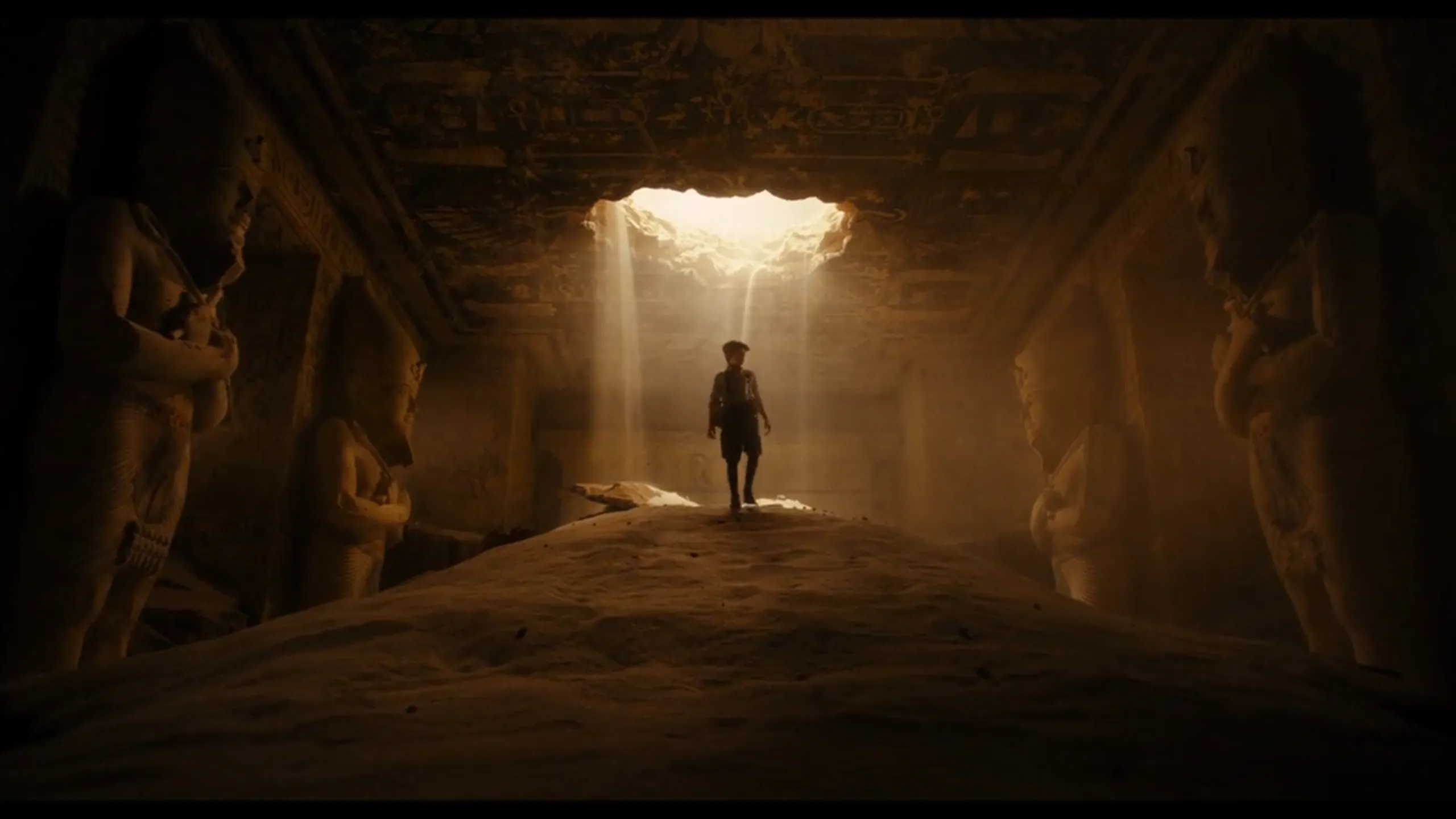
The whispers of ancient civilizations linger in the ruins of lost cities, hidden beneath layers of time, earth, and mystery. These once-thriving hubs of human ingenuity, culture, and ambition now stand as silent testaments to the passage of centuries. From dense jungles to arid deserts, lost cities discovered across the globe captivate historians, archaeologists, and adventurers alike. Their remnants offer glimpses into the lives, beliefs, and innovations of societies long vanished, sparking curiosity about what led to their abandonment and how their stories resonate today.
Hidden Beneath Nature’s Embrace
Many lost cities lie concealed by the relentless advance of nature. In the heart of Cambodia’s jungles, the sprawling complex of Angkor Wat stands as a monumental reminder of the Khmer Empire’s grandeur. Once a bustling capital with intricate temples and vast water systems, it was gradually overtaken by dense vegetation after its decline in the 15th century. Similarly, the Mayan city of Tikal in Guatemala, with its towering pyramids piercing the rainforest canopy, was swallowed by the jungle for centuries. These sites, now partially reclaimed from nature’s grip, reveal sophisticated urban planning and architectural prowess, hinting at the vibrant societies that once thrived there.
Read also: influencersgonewil
Buried by Sands of Time
Deserts, too, have guarded their share of lost cities, preserving them beneath shifting sands. In Jordan, the Nabataean city of Petra, carved into rose-red cliffs, was a vital trading hub along ancient routes. Its elaborate facades and water channels reflect a civilization that mastered its harsh environment before fading into obscurity by the 7th century. Likewise, the ancient city of Palmyra in Syria, with its grand colonnades and temples, stood as a crossroads of cultures until invasions and changing trade routes led to its decline. These desert relics, uncovered by meticulous excavation, showcase the resilience and artistry of their inhabitants.
Submerged Secrets of the Deep
Some lost cities rest beneath the waves, submerged by rising seas or catastrophic floods. Off the coast of Egypt, the city of Thonis-Heracleion, once a thriving port at the mouth of the Nile, sank into the Mediterranean around the 8th century CE. Rediscovered in the early 2000s, its statues, temples, and artifacts reveal a bustling trade center that connected ancient Egypt to the wider world. Similarly, the submerged ruins of Dwarka, off India’s Gujarat coast, are steeped in mythology as the legendary kingdom of Lord Krishna. Underwater excavations have uncovered stone structures and artifacts, fueling debates about their historical and cultural significance. These aquatic time capsules offer a haunting glimpse into worlds lost to the sea.
Know More: influncers gone wild
Clues to Their Disappearance
The abandonment of these lost cities often stems from a complex interplay of factors. Environmental changes, such as droughts or deforestation, likely played a role in the decline of the Mayan cities, as evidenced by studies of ancient pollen and sediment records. Trade disruptions and invasions contributed to Petra’s and Palmyra’s downfall, as shifting economic and political landscapes left them isolated. In some cases, societal collapse or internal strife may have weakened these urban centers, making them vulnerable to external pressures. Each city’s story, pieced together through artifacts and inscriptions, provides vital clues to the fragility of even the most advanced civilizations.
Cultural and Technological Marvels
The lost cities discovered in recent times reveal astonishing achievements. Machu Picchu, perched high in the Andes, showcases the Incas’ mastery of stonework and astronomy, with structures aligned to celestial events. The ancient city of Great Zimbabwe, with its massive stone walls built without mortar, reflects the wealth and organizational skill of a medieval African kingdom. These sites demonstrate how diverse societies developed sophisticated technologies, from water management systems to monumental architecture, tailored to their unique environments and cultural needs. Their rediscovery highlights the ingenuity that defined human history across continents.
Explore More: influencersgonewils
Preserving the Past for the Future
Unearthing lost cities is only the beginning; preserving them for future generations poses significant challenges. Exposure to the elements, tourism, and looting threaten fragile sites like Pompeii, frozen in time by Vesuvius’ eruption, or the cliff dwellings of Mesa Verde in Colorado. Conservation efforts, such as those at Angkor Wat, involve balancing accessibility with protection, using techniques like laser scanning to document and monitor deterioration. International collaboration and advanced technology are crucial to safeguarding these irreplaceable windows into humanity’s past, ensuring their stories endure.
A Legacy That Endures
The lost cities discovered around the world are more than relics; they are bridges to our shared history. They remind us of the resilience, creativity, and impermanence of human societies. From the jungle-entwined temples of Tikal to the submerged streets of Thonis-Heracleion, these sites invite reflection on how civilizations rise, adapt, and sometimes fade. Their rediscovery fuels ongoing research and fascination, encouraging us to ponder the lessons they hold for our own societies. As we uncover these echoes of forgotten realms, we connect with the enduring spirit of humanity, etched into the stones, sands, and seas of our planet.
Visit For More Info: daphne joy onlyfans