


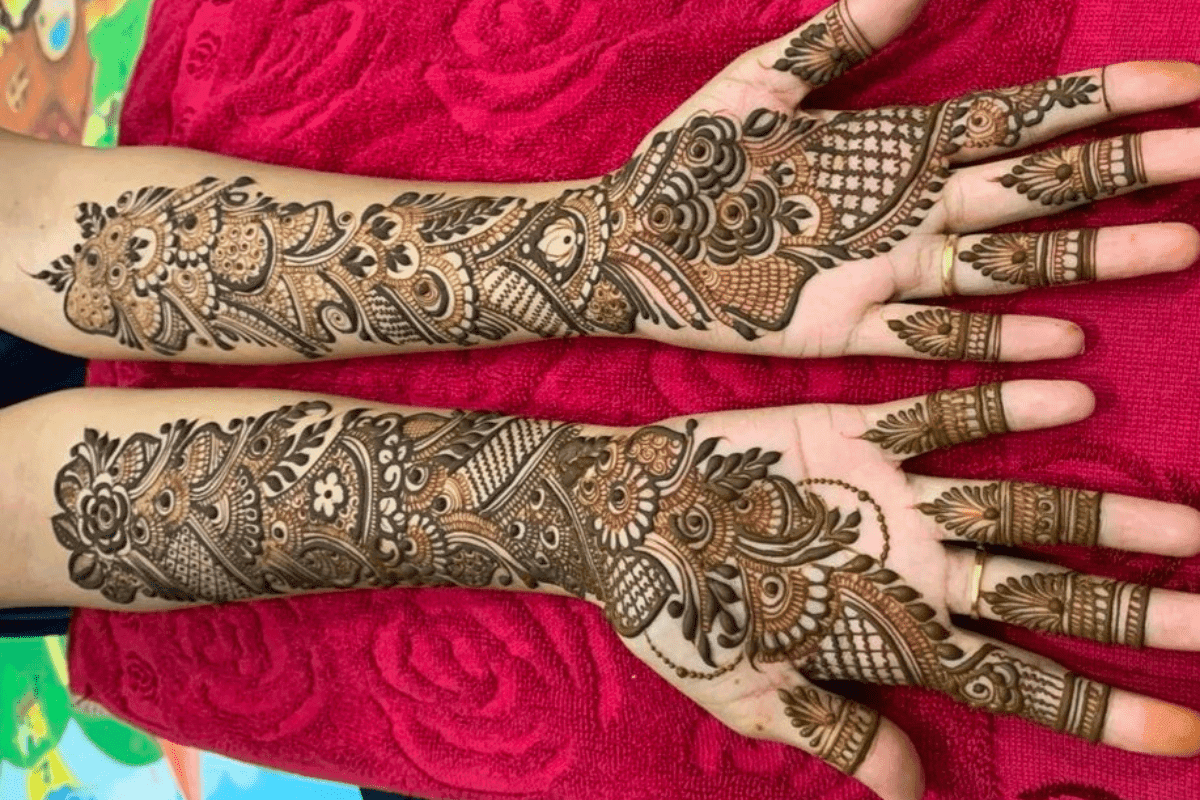
mehendi design bel is one of the most graceful and timeless styles in the world of henna art. The word “bel” refers to a vine or trailing pattern, and in mehndi design it represents a flowing sequence of flowers, leaves, and delicate curves that extend beautifully across the hand.
For many women, this style feels both traditional and modern at the same time. It is simple enough for everyday celebrations yet elegant enough for weddings and festivals. The beauty of a mehendi design bel lies in its natural flow. The design moves like a vine growing across the skin, creating a soft and artistic look.
Over the years, mehndi artists have experimented with countless variations of bel patterns. From minimal finger trails to elaborate bridal vines that stretch from the wrist to the forearm, these designs continue to inspire people across cultures.
The charm of this style is that it looks beautiful on almost everyone and suits every occasion.
Table of Contents
ToggleThe Cultural Roots of Mehendi Art
Mehndi has been part of cultural celebrations for centuries in countries like India, Pakistan, and across the Middle East. Traditionally made from henna leaves, mehndi has long been used to decorate hands and feet during weddings, festivals, and important life events.
The tradition is deeply symbolic. Many people believe mehndi represents happiness, prosperity, and blessings for the future. During wedding ceremonies, applying mehndi is considered a joyful ritual shared with family and friends.
Among the many styles that exist today, the mehendi design bel remains one of the most beloved patterns because it reflects nature’s beauty. The flowing vine style resembles climbing plants and blooming flowers, which symbolize growth and harmony.
This connection with nature makes bel designs feel organic and elegant. Even modern artists continue to draw inspiration from these traditional elements.
Why Mehendi Design Bel Is So Popular
One reason the mehendi design bel style remains so popular is its simplicity and flexibility. Unlike heavy bridal mehndi that covers the entire hand, bel patterns often leave open spaces that highlight the natural beauty of the skin.
These designs are especially popular for people who prefer a minimal yet stylish look. A single vine starting at the wrist and traveling across the palm can create a striking effect without appearing too complex.
Another advantage is the versatility of bel patterns. They can be adapted for different occasions, from small family gatherings to grand wedding celebrations.
Because the design flows naturally along the hand or fingers, it also enhances the shape of the hand. This makes bel mehndi a favorite among both beginners and professional artists.
mehendi design bel Styles Brides Love Today
Bridal mehndi trends change every year, but bel patterns always remain relevant. Modern brides often combine traditional motifs with contemporary design techniques to create unique patterns.
A popular bridal mehendi design bel begins with a detailed floral element near the wrist and gradually flows toward the fingers with smaller leaves and vines. This creates a balanced and elegant composition.
Another modern trend involves combining bel designs with geometric shapes or mandala patterns. The central motif provides structure, while the vine patterns add softness and movement.
Some brides also prefer symmetrical bel designs on both hands. The vines mirror each other, creating a harmonious visual effect that looks beautiful in wedding photographs.
These modern variations show how a classic mehndi style can evolve while still preserving its traditional charm.
The Artistic Elements Behind Mehendi Design Bel
Creating a beautiful mehendi design bel requires more than simply drawing flowers and leaves. Professional artists carefully consider several artistic principles when designing a vine pattern.
Flow is one of the most important aspects. The vine should move naturally across the hand without appearing forced or uneven. Each curve should guide the eye smoothly from one element to the next.
Balance is another essential factor. Even though bel designs often look free-flowing, the placement of flowers and leaves must be carefully planned to avoid overcrowding.
Contrast also adds depth to the design. Artists often combine bold outlines with delicate inner details to create a layered effect.
When these elements are combined skillfully, the final design feels elegant, natural, and visually pleasing.
mehendi design bel for Festivals and Everyday Celebrations
While bridal mehndi often receives the most attention, bel designs are also perfect for festivals and casual celebrations. Events like Diwali, Eid, Karva Chauth, and family gatherings provide wonderful opportunities to wear henna.
For such occasions, a simple mehendi design bel can be created in just a few minutes. A small vine starting at the finger and extending toward the wrist can add instant elegance to the hands.
Festival designs often include small flowers, leaves, and tiny dots arranged along the vine. These elements create a delicate pattern that complements traditional clothing and jewelry.
Because bel designs are lighter than full-hand mehndi, they also feel more comfortable during busy celebrations.
Many people enjoy applying these designs themselves at home, turning mehndi into a relaxing creative activity.
How Professional Artists Perfect Mehendi Design Bel Patterns
Experienced mehndi artists spend years mastering the delicate techniques required to create flawless vine designs. A smooth and steady hand is essential when drawing thin lines and curved shapes.
A well-crafted mehendi design bel often begins with a simple guiding line that determines the path of the vine. Flowers and leaves are then added along this line in a balanced sequence.
Artists also pay close attention to spacing. Leaving small gaps between elements prevents the design from looking too dense.
Many professionals practice drawing patterns on paper before applying them to the skin. This helps them experiment with new compositions and refine their artistic skills.
With time and practice, artists develop their own signature styles that make their work unique.
Choosing the Right Mehendi Design Bel for Your Style
Every person has a unique style, and choosing the right mehndi pattern can make a big difference in how the design looks.
A mehendi design bel can be customized to suit different preferences. Some people prefer thin and delicate vines with minimal details, while others enjoy fuller designs with larger floral elements.
The occasion also plays a role in design selection. Bridal events often call for more elaborate patterns, while casual celebrations may look better with simple vines.
Hand shape can also influence the design. Longer fingers often suit vertical vine patterns, while wider palms may look better with curved designs that spread across the hand.
Working with an experienced mehndi artist can help ensure the design complements your personal style.
Tips for Achieving a Dark and Beautiful Mehndi Stain
The beauty of any mehndi design depends not only on the pattern but also on the richness of the stain. A deep reddish-brown color enhances the details of the design and makes it stand out.
For a vibrant mehendi design bel, it is important to use fresh natural henna paste. High-quality henna produces clearer lines and stronger color.
After applying the design, the paste should remain on the skin for several hours. This allows the natural dye to penetrate the skin properly.
Many artists recommend applying a mixture of lemon juice and sugar to keep the paste moist. This helps the color develop more intensely.
Avoiding water for several hours after removing the paste can also improve the final result.
These small steps ensure that the mehndi remains vibrant and beautiful throughout the celebration.
Mehendi Design Bel as a Form of Personal Expression
For many people, mehndi is not just decoration—it is a creative way to express personal style and cultural identity. Each design tells a small story about the person wearing it.
A thoughtfully created mehendi design bel can reflect elegance, simplicity, or even artistic creativity. Some people prefer classic floral vines, while others experiment with modern shapes and patterns.
Because bel designs are so adaptable, they allow artists to explore endless variations. Tiny leaves, spiral patterns, and shaded petals can all be added to create unique compositions.
The process of applying mehndi also carries emotional meaning. Sitting with friends or family while the design slowly appears on the skin often becomes a cherished memory.
This connection between art, culture, and celebration is what makes mehndi such a special tradition.
The Timeless Appeal of Mehendi Design Bel
Despite the constant evolution of fashion and beauty trends, the mehendi design bel continues to remain a favorite among mehndi lovers around the world.
Its graceful flow, elegant simplicity, and cultural significance make it suitable for almost any occasion. Whether applied for a wedding, festival, or casual celebration, bel patterns bring a touch of natural beauty to the hands.
Artists continue to innovate with new styles, combining traditional vines with modern design techniques. Yet the essence of the bel pattern remains the same: a flowing trail of beauty inspired by nature.
Because of this timeless charm, mehendi design bel patterns will continue to inspire creativity and cultural celebration for generations to come.
Read also:
dark mehndi design back hand
boy hand mehndi designs
mehendi design bel
easy square rangoli designs
mehndi for engagement bride