


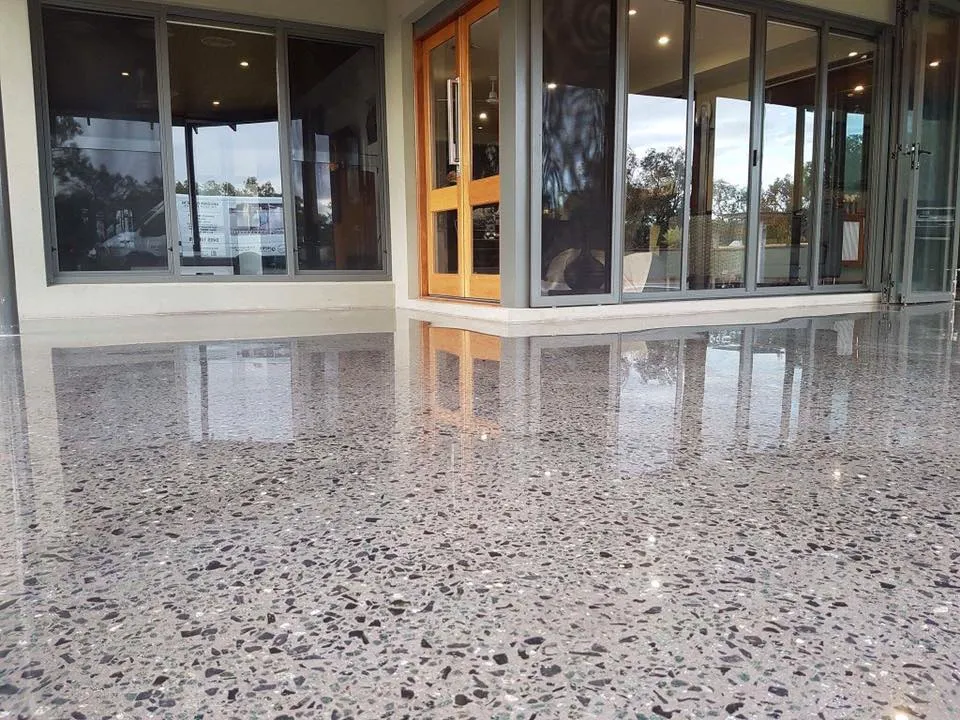
Polished concrete flooring has quietly become one of the most admired flooring solutions in modern homes, offices, and commercial spaces. Once used mainly in warehouses and industrial buildings, this flooring style is now a favorite among architects, interior designers, and homeowners who want a sleek, durable, and easy-to-maintain surface.
If you walk into a trendy café, a contemporary home, or a stylish retail store today, chances are the floor beneath your feet is polished concrete. Its glossy appearance, minimal maintenance needs, and impressive durability make it a practical yet visually appealing choice.
In recent years, the demand for polished concrete flooring has surged because people are searching for flooring that looks elegant without requiring constant upkeep. Unlike traditional flooring materials that can crack, stain, or fade quickly, polished concrete offers a resilient surface that can last for decades when properly installed.
This article explores everything you need to know about polished concrete floors, including how they are made, their benefits, design possibilities, maintenance tips, and why they are becoming a preferred option for modern interiors.
Table of Contents
ToggleUnderstanding the Basics of Polished Concrete Flooring
At its core, polished concrete flooring is a concrete surface that has been mechanically ground, honed, and polished using specialized equipment and diamond abrasives. This process gradually refines the surface until it achieves a smooth and reflective finish.
Unlike surface coatings or overlays, polished concrete works with the existing concrete slab itself. Contractors begin by grinding the concrete to remove imperfections, stains, or old coatings. After that, they apply chemical densifiers that harden the concrete and improve durability. Finally, the surface is polished to the desired level of shine.
The final look can range from a subtle satin finish to a mirror-like shine depending on the polishing level. Many homeowners are surprised by how sophisticated polished concrete can appear once the process is complete.
Why Polished Concrete Flooring Is Gaining Popularity
Modern construction trends prioritize sustainability, durability, and low maintenance. Polished concrete flooring checks all three boxes, which explains why it is increasingly used in residential and commercial spaces.
One of the main reasons for its popularity is longevity. Unlike carpets that wear out or wood floors that require refinishing, polished concrete can maintain its beauty for decades.
Another reason is design flexibility. Concrete floors can be customized with stains, dyes, and decorative aggregates to create unique textures and colors.
Interior designers also appreciate the way polished concrete reflects light. This reflective quality brightens spaces naturally and can reduce the need for artificial lighting in large rooms.
For businesses, this flooring solution is particularly appealing because it handles heavy foot traffic extremely well without losing its shine.
Benefits of Polished Concrete Flooring in Modern Homes
The growing popularity of polished concrete flooring is largely due to the practical advantages it offers homeowners and designers alike.
One of its biggest strengths is durability. Concrete is naturally strong, and the polishing process further enhances its resistance to wear and tear. In homes with pets, children, or heavy furniture, this durability becomes a major advantage.
Another benefit is minimal maintenance. Traditional flooring often requires frequent waxing, polishing, or deep cleaning. Polished concrete floors typically only need occasional sweeping and mopping to maintain their shine.
Homeowners also appreciate its moisture resistance. Unlike wood flooring, which can warp when exposed to water, polished concrete remains stable in humid conditions.
There is also a sustainability aspect. Since the existing concrete slab is used as the finished floor, fewer additional materials are required. This reduces waste and makes the flooring option more environmentally responsible.
The Process Behind Polished Concrete Floors
Many people are curious about how contractors transform a dull concrete slab into a glossy, elegant floor. The process behind polished concrete flooring involves several carefully executed steps.
The first stage involves grinding the surface with coarse diamond tools. This removes surface imperfections and exposes the concrete beneath. Depending on the desired look, contractors may grind deeper to reveal decorative aggregates within the concrete.
Once the surface is even, a chemical densifier is applied. This solution penetrates the concrete and reacts with it chemically, making the material harder and more resistant to damage.
After densification, finer diamond abrasives are used to polish the floor gradually. Each polishing stage enhances the smoothness and increases the level of shine.
The final step involves sealing the surface to improve stain resistance and protect the polished finish.
Design Options with Polished Concrete
One of the biggest misconceptions about polished concrete is that it only comes in a plain gray finish. In reality, polished concrete floors offer an impressive range of design possibilities.
Color stains can be applied to create warm earth tones, modern charcoal shades, or even bold colors. Dyes are also used to produce vibrant finishes that complement modern interior styles.
Decorative aggregates within the concrete can be exposed during grinding, creating a terrazzo-like appearance. This technique produces a unique pattern that varies from floor to floor.
Some designers even combine polished concrete with scoring patterns or decorative cuts to create tile-like designs or geometric shapes.
Because every concrete slab is slightly different, each polished concrete floor becomes a one-of-a-kind feature within a home or building.
Where Polished Concrete Flooring Works Best
Although polished concrete was originally used in commercial settings, it now fits beautifully into many residential environments.
Open-plan living spaces benefit greatly from this flooring because the smooth surface creates visual continuity across large areas. The reflective quality also enhances natural lighting in spacious rooms.
Kitchens are another excellent location for polished concrete. The surface is easy to clean and resistant to spills, making it practical for busy households.
Many modern homeowners also choose this flooring for basements because concrete naturally resists moisture and humidity better than most other materials.
In commercial settings such as retail stores, restaurants, and offices, polished concrete flooring offers the durability required to withstand constant foot traffic.
Maintenance and Care Tips
Keeping polished concrete floors looking great is surprisingly simple. Unlike many traditional flooring options, they do not require complicated maintenance routines.
Regular sweeping removes dust and small debris that could scratch the surface over time. Occasional damp mopping with a neutral cleaner helps maintain the floor’s shine.
In high-traffic areas, burnishing machines may occasionally be used to refresh the polish. However, this is typically required only after many years of use.
Another helpful practice is placing protective pads under heavy furniture. Although polished concrete is extremely strong, preventing scratches can preserve its appearance even longer.
With proper care, polished concrete floors can maintain their smooth and glossy finish for decades.
Cost Considerations and Value
When people compare flooring options, cost is often a major factor. The price of polished concrete flooring can vary depending on the condition of the existing slab, the desired level of polish, and decorative treatments.
If the building already has a concrete slab in good condition, polishing it can be more affordable than installing entirely new flooring materials.
More complex designs, deeper grinding to expose aggregates, or additional color treatments can increase the cost.
However, the long lifespan of polished concrete makes it a cost-effective investment. Many homeowners find that they save money over time because the floor requires minimal maintenance and rarely needs replacement.
Sustainability and Environmental Advantages
Sustainability has become an important consideration in modern construction and interior design. Polished concrete flooring offers several environmental benefits that align with green building practices.
Since the process uses the existing concrete slab, fewer new materials are required. This reduces the environmental impact associated with manufacturing and transporting additional flooring products.
The reflective surface also improves lighting efficiency. By reflecting natural and artificial light, polished concrete can reduce the need for excessive lighting in large spaces.
Additionally, polished concrete does not trap allergens like dust mites or pet dander. This makes it a healthier option for indoor air quality, especially for households with allergies.
Common Myths About Polished Concrete Floors
Despite its growing popularity, several myths still surround polished concrete flooring. One common misconception is that concrete floors are always cold and uncomfortable.
While concrete does feel cool underfoot, this can actually be beneficial in warm climates. In colder regions, the floor can be paired with radiant heating systems to maintain a comfortable temperature.
Another myth is that concrete floors are slippery. In reality, polished concrete provides good traction when properly finished, even though it has a glossy appearance.
Some people also believe concrete floors are prone to cracking. Minor hairline cracks may occur naturally over time, but they rarely affect the floor’s structural integrity or performance.
Expert Insights and Real-World Experience
Contractors and flooring specialists often highlight the reliability of polished concrete based on years of hands-on experience. Many commercial buildings have used this flooring for decades with minimal maintenance.
Interior designers also praise its ability to complement different design styles. Whether paired with industrial décor, modern minimalism, or rustic interiors, polished concrete adapts effortlessly.
Homeowners frequently share positive experiences after installation. Many appreciate how the floor maintains its shine even after years of daily use.
This combination of durability, aesthetic appeal, and practicality explains why polished concrete continues to gain attention in both residential and commercial construction.
Future Trends in Concrete Flooring Design
Flooring trends constantly evolve, but polished concrete has proven to be more than a temporary trend. Innovations in grinding technology and decorative treatments are expanding its possibilities even further.
Designers are experimenting with artistic stains, custom textures, and embedded materials to create distinctive flooring patterns.
As sustainable building practices become more important worldwide, polished concrete is likely to play an even larger role in eco-friendly construction projects.
The growing interest in minimalist interiors also favors polished concrete because of its clean, seamless appearance.
With these trends continuing to shape the construction industry, polished concrete flooring is expected to remain a popular and practical choice for many years to come.