


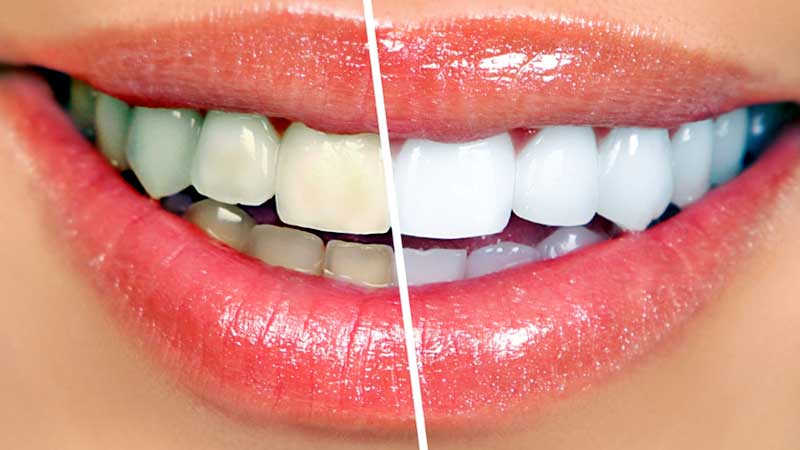
Teeth whitening solutions have become one of the most popular cosmetic dental treatments for people who want a brighter, more confident smile. Over time, teeth naturally lose their brightness due to food, drinks, lifestyle habits, and aging. Coffee, tea, red wine, and smoking are common culprits that slowly leave stains on the enamel.
A bright smile can influence the way people feel about themselves. Many individuals notice a boost in confidence after whitening their teeth, whether it’s for a special event, professional setting, or everyday life. With modern dental advancements, there are now several safe and effective methods available.
Dentists and oral care professionals emphasize that whitening should always prioritize dental health. Safe treatments guided by professionals help protect enamel while achieving visible improvements. Today, teeth whitening solutions range from professional in-clinic procedures to reliable at-home systems recommended by dental experts.
Table of Contents
ToggleWhy Teeth Become Discolored Over Time
Before exploring whitening methods, it’s helpful to understand why teeth lose their brightness. Tooth discoloration is a natural process that occurs gradually as enamel interacts with daily habits and environmental factors.
The outer layer of the tooth, called enamel, is naturally porous. Over time, pigments from foods and beverages settle into these pores. Drinks like coffee and tea are especially known for staining teeth because of their dark pigments.
Another cause is aging. As people grow older, enamel slowly becomes thinner. When that happens, the dentin layer underneath becomes more visible, giving teeth a yellowish appearance. Certain medications, tobacco use, and poor oral hygiene can also contribute to discoloration.
Because of these factors, many individuals begin looking for safe ways to restore their natural brightness. This is where modern teeth whitening solutions play an important role in cosmetic dentistry.
Professional Teeth Whitening Solutions at the Dental Clinic
Dental clinics offer some of the most effective whitening treatments available today. These procedures are performed by trained dental professionals who carefully evaluate each patient’s oral health before beginning treatment.
Professional whitening often involves high-strength whitening gels that contain hydrogen peroxide or carbamide peroxide. These compounds break down stain molecules inside the enamel, gradually restoring a brighter shade.
During an in-office whitening session, dentists protect the gums and soft tissues before applying the whitening agent. Some procedures use special light or laser technology to activate the gel and accelerate the whitening process.
Many patients see visible improvements in just one appointment. The results can be several shades lighter, depending on the original level of staining and the patient’s enamel condition. For people seeking fast and reliable results, professional teeth whitening solutions remain one of the most trusted options.
At-Home Teeth Whitening Solutions Recommended by Dentists
Not everyone wants to visit a clinic for whitening treatment. Fortunately, many dentists offer take-home kits designed to deliver safe and gradual results from the comfort of home.
These kits usually include custom-made trays that fit the patient’s teeth perfectly. A whitening gel is placed inside the trays and worn for a specific amount of time each day. Because the trays are tailored to the individual’s mouth, they ensure even distribution of the whitening agent.
The process usually takes a few weeks to achieve the desired brightness. While results may appear slower than in-office treatments, they can still be highly effective when used consistently.
Dentists often recommend these systems because they balance convenience and safety. Patients can whiten their teeth at their own pace while still following professional guidance.
Over-the-Counter Whitening Products
In recent years, the market has been flooded with over-the-counter whitening products. From whitening toothpaste and strips to gels and pens, these products promise noticeable improvements without a dentist visit.
Whitening toothpaste works by gently polishing surface stains rather than deeply altering tooth color. While these products can help maintain brightness, they usually produce mild results compared to professional treatments.
Whitening strips and gels often contain lower concentrations of peroxide than dental clinic products. When used correctly, they can gradually lighten stains over several weeks.
However, dental professionals advise caution. Some people may experience tooth sensitivity or gum irritation if products are used improperly. For the best results, it’s always wise to consult a dental expert before starting any whitening treatment.
Despite the wide range of products available, the most effective teeth whitening solutions still involve guidance from dental professionals who understand each patient’s oral health needs.
How Lifestyle Habits Affect Tooth Color
Even after whitening treatment, daily habits can influence how long the results last. Foods and beverages with strong pigments can quickly cause new stains to form on freshly whitened teeth.
Coffee lovers often notice this challenge. Drinking coffee daily may gradually dull the brightness achieved through whitening. The same applies to tea, red wine, dark sauces, and colored sodas.
Smoking is another major contributor to tooth discoloration. Tobacco contains tar and nicotine that easily stick to enamel and cause stubborn stains over time.
Maintaining good oral hygiene is equally important. Brushing twice a day, flossing regularly, and visiting the dentist for routine cleanings help preserve the effects of whitening treatments.
Dental professionals often remind patients that whitening is not a one-time solution. Maintaining results requires healthy habits and occasional touch-up treatments.
Safety Considerations in Teeth Whitening Solutions
Safety should always come first when choosing any cosmetic dental treatment. Whitening products use chemical agents designed to break down stain molecules, so it’s essential that they are used responsibly.
Most professionally approved whitening systems are considered safe for teeth and gums when used as directed. However, individuals with untreated cavities, gum disease, or extremely sensitive teeth should address those conditions before beginning whitening treatments.
Some people may experience temporary tooth sensitivity after whitening procedures. This usually occurs because the whitening agent temporarily opens tiny pores in the enamel. Fortunately, the sensitivity typically fades within a few days.
Dentists often recommend desensitizing toothpaste or fluoride treatments to help manage this temporary effect. Choosing reputable and professionally recommended teeth whitening solutions significantly reduces the risk of complications.
Real-Life Confidence Boost from a Brighter Smile
Many people underestimate how much a bright smile can influence confidence. A simple cosmetic improvement often leads to noticeable emotional benefits.
Consider someone preparing for a job interview or a major presentation. Feeling self-conscious about stained teeth can affect how comfortably they smile or speak. After whitening treatment, many patients describe feeling more relaxed and confident in social situations.
Wedding preparations offer another common example. Brides, grooms, and even family members frequently choose whitening treatments before big events to ensure their smiles look vibrant in photographs.
Dentists often hear stories from patients who feel more willing to smile, laugh, and engage socially after whitening their teeth. These personal transformations highlight the psychological benefits of effective teeth whitening solutions.
The Role of Dental Expertise in Cosmetic Treatments
Cosmetic dentistry has grown rapidly over the past decade, but expertise remains crucial for safe and successful results. Experienced dental professionals evaluate factors such as enamel thickness, existing dental restorations, and underlying tooth color before recommending whitening treatments.
Not all discoloration responds the same way to whitening agents. For example, stains caused by medications or internal tooth damage may require alternative treatments such as veneers or bonding.
Dentists use their knowledge and training to identify the most suitable solution for each patient. This personalized approach reflects the importance of EEAT principles in healthcare content and medical services.
Experience, expertise, authority, and trust form the foundation of responsible dental care. Patients benefit when whitening treatments are guided by professionals who prioritize both safety and long-term oral health.
Modern Innovations in Teeth Whitening Solutions
Advancements in dental technology continue to improve whitening methods and patient comfort. Researchers are developing new formulas that reduce sensitivity while maintaining strong stain-removal capabilities.
Some modern systems incorporate LED light technology to enhance the whitening process. These lights activate the whitening gel, allowing the chemical reaction to occur more efficiently.
Another innovation involves enamel-friendly whitening agents that help protect tooth structure during treatment. These systems aim to deliver brighter results while maintaining the natural strength of the enamel.
As cosmetic dentistry evolves, patients have access to safer, more effective treatments than ever before. The growing popularity of teeth whitening solutions reflects the increasing demand for accessible and reliable smile enhancement options.
Maintaining Long-Lasting Whitening Results
Achieving a bright smile is only the first step. Maintaining those results requires consistent oral care and healthy lifestyle habits.
Dentists often recommend using a soft-bristled toothbrush and fluoride toothpaste to protect enamel. Regular dental cleanings help remove surface stains before they become deeply embedded in the teeth.
Some patients schedule periodic whitening touch-ups to maintain their desired shade. These treatments are usually quicker and less intensive than the initial whitening procedure.
Hydration also plays a role in oral health. Drinking water after consuming staining foods or beverages helps rinse pigments from the teeth before they settle into the enamel.
Through a combination of professional care and responsible habits, patients can preserve the brightness achieved through modern whitening treatments.
Read also: