


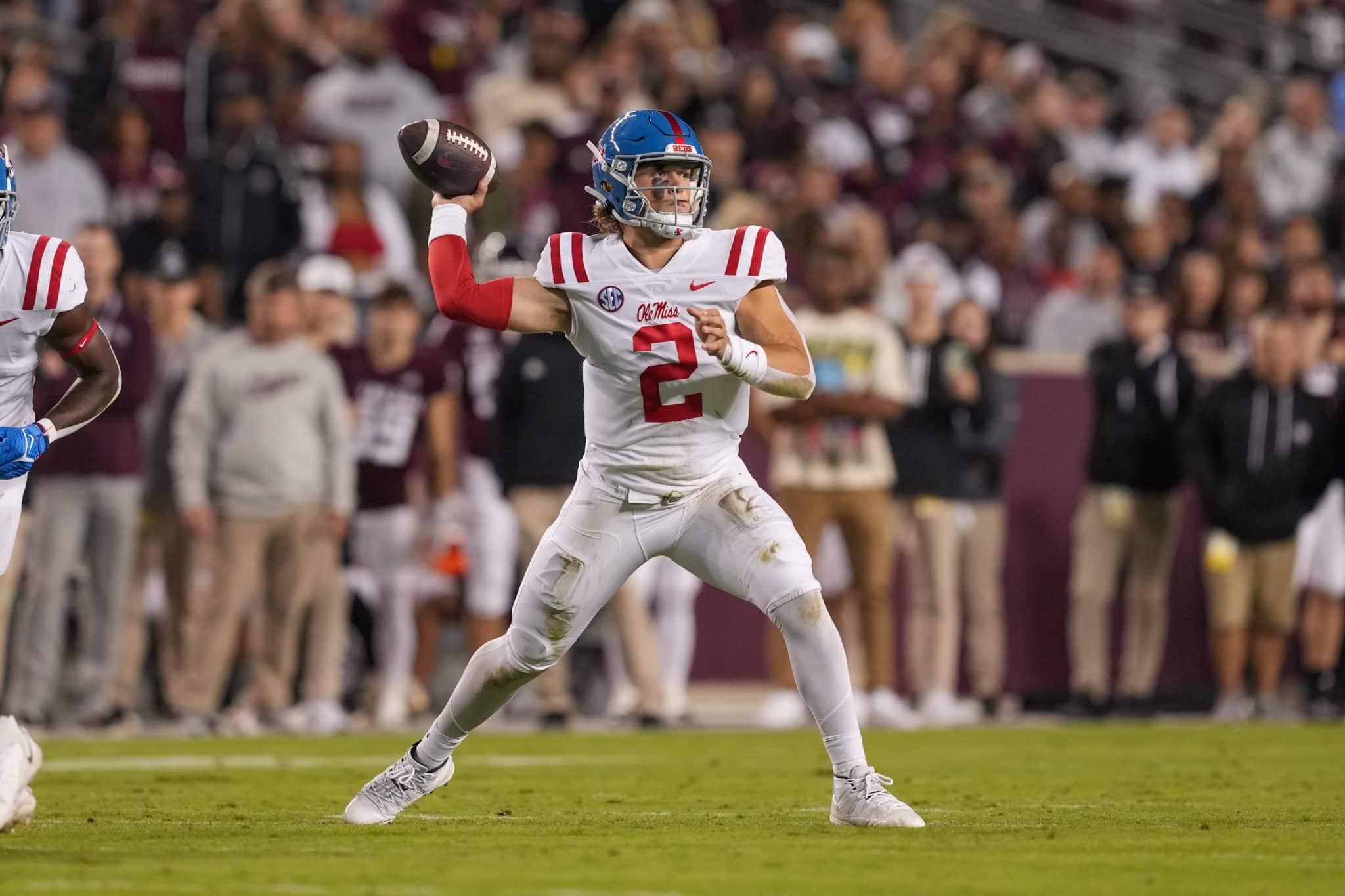
Few traditions in college football are as iconic—or as puzzling—as the University of Mississippi’s “Hotty Toddy” cheer. For fans of Ole Miss football, this spirited chant is more than just words; it’s a rallying cry, a cultural touchstone, and a symbol of Rebel pride. But where did it come from, and what does it actually mean?
In this deep dive, we’ll explore:
✔ The mysterious origins of “Hotty Toddy”
✔ How it became synonymous with Ole Miss football
✔ The chant’s evolution through the decades
✔ Why it remains a unifying force for Rebels everywhere
Whether you’re a lifelong fan or new to Ole Miss football, this is your ultimate guide to one of college sports’ most unique traditions.
The Birth of “Hotty Toddy”: A Historical Mystery
Early Theories and Legends
The exact origins of “Hotty Toddy” are surprisingly murky, with several competing theories:
- The 1920s Student Play Theory
- Some believe it originated in a student-written musical
- Possibly borrowed from British drinking slang (“hot toddy”)
- The 1930s Cheerleader Creation
- Anecdotes suggest cheerleaders developed it during a close game
- First appeared in print in a 1936 Mississippian article
- The Scottish Connection
- “Hotty Toddy” resembles old Scottish tavern toasts
- Fits with Ole Miss’s historic “Rebel” imagery
First Official Use
By the 1940s, the cheer was firmly entrenched in Ole Miss football culture, appearing in game programs and student handbooks.
Breaking Down the Cheer
The full version goes:
“Hotty Toddy, Gosh Almighty, Who The Hell Are We? Hey!
Flim Flam, Bim Bam, Ole Miss By Damn!”
Line-by-Line Meaning
| Phrase | Possible Meaning |
|---|---|
| Hotty Toddy | Nonsense syllables or drinking reference |
| Gosh Almighty | Expression of awe/surprise |
| Who The Hell Are We? | Challenge to opponents |
| Flim Flam, Bim Bam | Rhythmic nonsense for crowd participation |
| Ole Miss By Damn! | Unapologetic school pride |
How “Hotty Toddy” Became Synonymous With Ole Miss Football
Game Day Rituals
- Pre-game player walkthroughs
- Fourth quarter rallies
- Victory celebrations in The Grove
Cultural Milestones
- Featured in ESPN gameday coverage
- Adopted by NFL Rebels like Eli Manning
- Part of SEC Network promotional spots
The Chant’s Evolution Through Ole Miss Football History
1940s-1960s: Establishment
- Became standard at all sporting events
- Printed in student handbooks
1970s-1990s: National Recognition
- Gained fame during televised games
- Became associated with the “Rebel Black Bear” era
2000s-Present: Modern Era
- Social media spread the chant worldwide
- Featured in NFL broadcasts with Ole Miss alumni
How to Properly Execute a “Hotty Toddy”
For newcomers wanting to participate:
- The Setup
- Leader calls: “Are you ready?”
- Crowd responds: “Hell yes! Damn right!”
- The Chant
- Said with increasing volume each repetition
- The Climax
- Final “Ole Miss By Damn!” shouted at full volume
Why “Hotty Toddy” Matters Beyond Football
Academic Connections
- Heard at graduation ceremonies
- Used by study abroad groups
- Alumni association signature
Pop Culture Appearances
- In films like The Blind Side
- Featured in country songs
- NFL players using it professionally
Controversies and Adaptations
Language Debates
- Original versions used stronger language
- Some modern adaptations use “Gosh” instead
Tradition vs. Progress
- Maintained through mascot changes
- Survived conference realignment
Conclusion: More Than Just Words
In the world of Ole Miss football, “Hotty Toddy” remains the heartbeat of Rebel culture—a tradition as unpredictable, spirited, and enduring as the team itself. From its mysterious origins to its modern-day roars across Vaught-Hemingway Stadium, this unique cheer continues to unite generations of fans.