


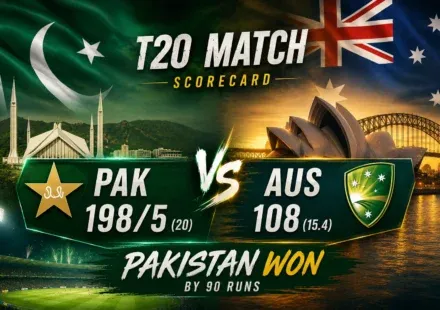
Cricket scorecards contain many details that can change how a match is understood. cricketscore.it.com gives readers another place to explore scorecard information, player figures, innings details, and useful cricket statistics. A final score tells only part of the story because the same total can come from very different innings. Runs, wickets, overs, partnerships, extras, and bowling figures all add another layer of information. Once these sections become familiar, even a busy scorecard starts looking much less confusing.
Start With Match Details
Before reading player statistics, check the basic information around the scorecard. The teams, competition, venue, date, innings, and match format provide useful context for everything shown below. A score of two hundred runs means something different in a Test match compared with a short limited overs game. The number of available overs also changes how scoring rates should be judged. This first check takes very little time, but it prevents many incorrect assumptions later.
Look At Team Totals
The team total provides a quick picture of how an innings has developed. Readers should normally look at runs, wickets lost, and overs completed together rather than separately. A team making two hundred runs for three wickets has experienced a different innings from one making the same runs for nine wickets. Overs also matter because scoring two hundred runs from fifty overs differs greatly from reaching that number much earlier. These three figures provide a useful starting point before examining individual performances.
Read Batting Figures
Individual batting figures explain how different players contributed to the overall innings total. Most scorecards show runs, balls faced, boundaries, and dismissal information for each batter. Runs show the direct contribution, while balls faced provide important context about scoring speed and time spent at the crease. A batter making seventy runs from forty balls has played differently from someone making seventy from one hundred deliveries. Batting position also matters because openers, middle order players, and lower order batters often face different responsibilities.
Understand Strike Rate
Strike rate describes how quickly a batter scores compared with the number of deliveries faced. In limited overs cricket, it is normally calculated by dividing runs by balls faced and multiplying that result by one hundred. A batter scoring fifty runs from twenty five balls therefore has a strike rate of two hundred. This number can highlight aggressive scoring, especially during shorter formats or important stages of an innings. Still, strike rate should never be judged alone because wickets, required scoring, match situation, and pitch conditions also matter.
Study Bowling Numbers
Bowling figures provide another important section for understanding how an innings progressed. Scorecards commonly show overs, maidens, runs conceded, wickets, and economy rate for individual bowlers. Economy rate describes the average number of runs conceded during each completed over. A bowler conceding twenty four runs across six overs has an economy rate of four. Wickets are obviously important, but economical bowling can also create pressure and restrict scoring opportunities. Looking at the complete bowling line gives more useful information than counting wickets alone.
Check Partnership Contributions
Partnerships explain how two batters worked together before one player was dismissed. A large partnership can rebuild an innings after early wickets or accelerate scoring when the batting side has enough resources available. Smaller partnerships can also become important when wickets are falling regularly and lower order players need to contribute. Reading partnership figures beside the fall of wickets can show when an innings gained stability or suddenly lost momentum. This information often explains the final total better than looking only at the highest individual score.
Notice Extras Carefully
Extras are runs added to the team total without being credited directly to individual batters. Common categories include wides, no balls, byes, and leg byes, with each category following different scoring rules. A large number of wides may suggest that the bowling side struggled with control during certain periods. Several no balls can also create additional scoring opportunities and sometimes change an over significantly. Byes and leg byes provide different information because the runs are not credited through the batter’s scoring contribution. Checking extras can reveal useful details about discipline and unusual scoring patterns.
Follow Wickets Falling
The fall of wickets section shows when important dismissals occurred during an innings. It usually records the team score and batter involved at each dismissal, allowing readers to see whether wickets fell steadily or in clusters. Losing several wickets close together can place serious pressure on the remaining batting lineup. A team reaching a similar final total after losing wickets gradually may have experienced a completely different match situation. The timing of wickets also matters because an early dismissal can influence rebuilding, while late wickets can affect final scoring momentum.
Watch Run Rate Changes
Run rate explains how quickly a team scores across the overs it has completed. In limited overs cricket, it is generally calculated by dividing total runs by completed overs. A team scoring one hundred eighty runs from twenty overs has an average run rate of nine runs per over. During a chase, required run rate becomes particularly useful because it shows the scoring pace needed to reach the target. However, readers should consider wickets remaining and deliveries available because the same required rate can create very different situations.
Compare Both Innings
Comparing both innings can reveal how the match changed after the first team completed its batting effort. One side may produce a strong total before the chasing team responds with a powerful opening partnership. Another match may feature the same type of first innings score but become difficult after early wickets fall. Comparing totals, wickets, overs, partnerships, and scoring rates gives a broader understanding of the contest. The winning team’s final score alone cannot explain whether the chase was comfortable, tense, or nearly impossible.
Consider Match Format
Scorecard statistics should always be interpreted according to the format being played. Test cricket, One Day Internationals, and T20 matches have different lengths, strategies, scoring expectations, and tactical pressures. A batting strike rate that appears ordinary in one format may have greater importance in another. Bowling economy should also be judged against the scoring environment normally expected within that competition. Readers comparing statistics across formats should therefore avoid treating similar numbers as directly equivalent. Format information provides necessary context before strong conclusions are made.
Use Reliable Commentary
A scorecard provides numbers, but it cannot always explain everything that happened during the match. Commentary and reliable match reports can add information about injuries, weather interruptions, difficult pitches, tactical decisions, and unusual playing conditions. A batter’s low score may look disappointing until readers discover that the player faced a particularly difficult bowling spell. A bowler’s impressive figures may also become clearer when conditions supported movement or reduced scoring opportunities. Combining statistics with match context produces a more balanced understanding of individual performances.
Conclusion
Cricket scorecards become easier to understand when readers connect several statistics instead of treating every number separately. Team totals, batting figures, bowling numbers, partnerships, extras, wickets, and scoring rates each explain different parts of an innings. Match format and commentary add further context when individual statistics appear difficult to interpret. cricketscore.it.com can provide additional cricket scorecard information for readers who want to follow these details with greater confidence. With regular practice, scorecards can become useful tools for understanding how matches actually developed.
Read also :-
england cricket team vs australian men’s cricket team timeline