


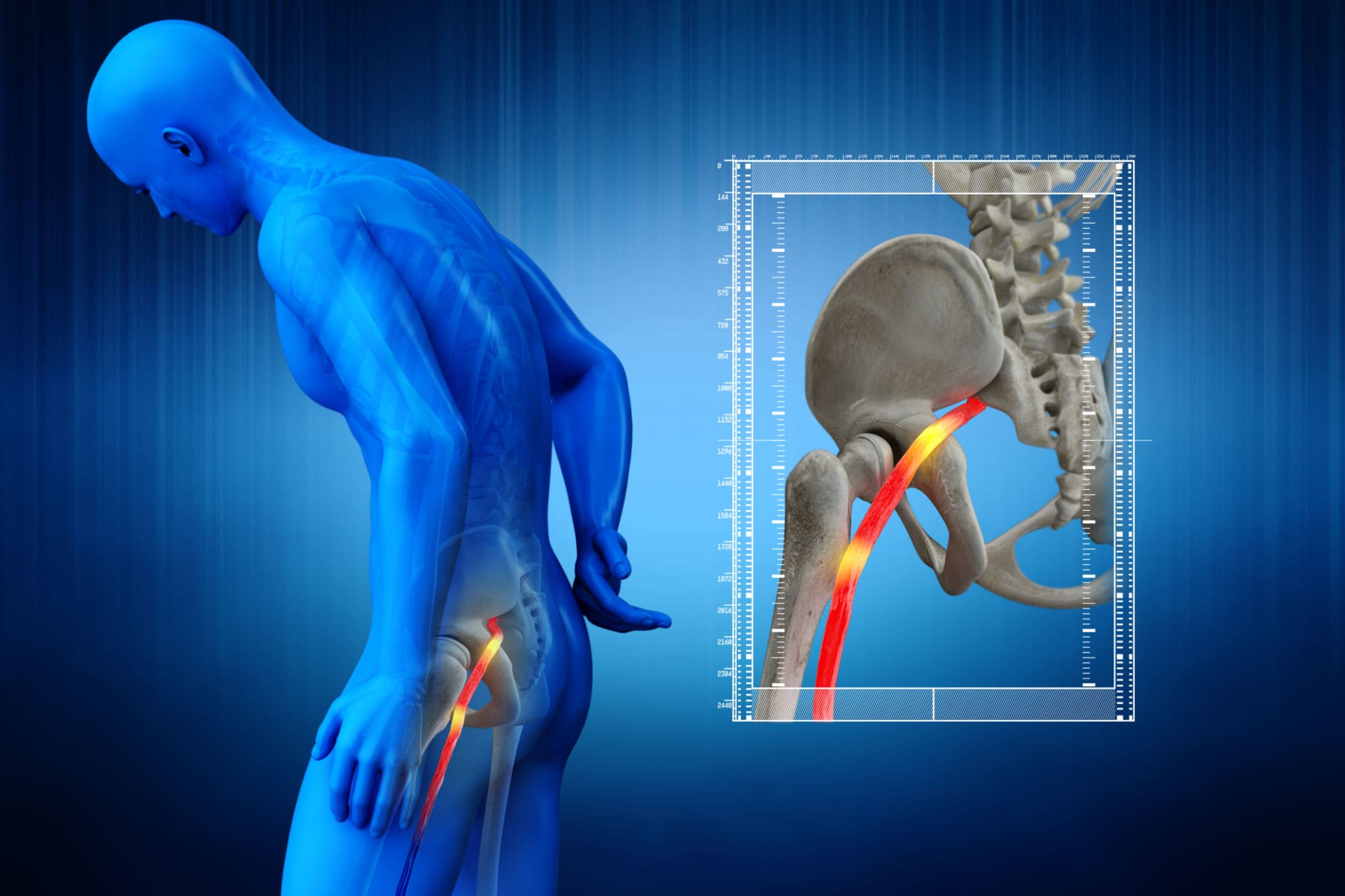
If you’ve ever felt a sharp or burning pain radiating from your lower back down your leg, there’s a good chance you’ve encountered sciatica. It’s a common condition, but one that is often misunderstood. Whether you’re experiencing this pain for the first time or trying to help someone who is, this guide will walk you through what sciatica is, what its symptoms look like, how it’s treated, and how long it typically lasts.
Let’s break it all down in a simple, friendly way—because understanding your body shouldn’t require a medical degree!
What Is Sciatica?
First things first—sciatica isn’t a condition in itself. It’s a symptom of an underlying problem. The term refers to pain that follows the path of the sciatic nerve, which is the largest nerve in your body. It runs from the lower spine, through the hips and buttocks, and down the back of each leg.
So when people say they have sciatica, they’re actually describing the nerve pain that happens when the sciatic nerve gets pinched, compressed, or irritated.
What Causes Sciatica?
There are several underlying issues that can cause sciatica, such as:
-
Herniated or slipped disc: A common cause. Part of the disc can press on the nerve root.
-
Spinal stenosis: Narrowing of the spine that puts pressure on the nerves.
-
Piriformis syndrome: A tight piriformis muscle in the buttock can irritate the sciatic nerve.
-
Degenerative disc disease: Natural aging changes in your spine can irritate the nerve.
-
Injury or trauma: A fall or car accident could lead to nerve compression.
Each of these can result in symptoms that vary in intensity and duration.
Symptoms of Sciatica
Wondering if you’re dealing with sciatica? These are the most common signs:
1. Radiating Pain
This is the hallmark symptom. You’ll feel it starting in your lower back or buttocks, and it travels down one leg. The pain can range from mild aches to intense burning or sharp jolts.
2. Numbness or Tingling
Many people report feeling “pins and needles” or numbness along the path of the sciatic nerve.
3. Muscle Weakness
If the nerve is seriously compressed, you may notice weakness in the affected leg or foot, making it difficult to move.
4. One-Sided Pain
In most cases, sciatica affects only one side of the body. Pain in both legs is possible but less common.
5. Pain Worsens with Movement
Coughing, sneezing, sitting too long, or standing up can often make the pain worse.
If you’re experiencing any of these symptoms—especially a combination—it’s a good idea to talk to a healthcare provider.
How Is Sciatica Diagnosed?
When you go to the doctor with symptoms of sciatica, they’ll typically:
-
Ask you about your symptoms and medical history
-
Perform a physical exam to check your reflexes, muscle strength, and range of motion
-
Order imaging tests like an X-ray, MRI, or CT scan if necessary
These tests help pinpoint what’s pressing on the sciatic nerve and how best to treat it.
How Do You Treat Sciatica?
The good news? Most cases of sciatica get better on their own with time and conservative treatment. Here’s a look at the common options:
1. Home Remedies
🔹 Heat and Ice
Applying a cold pack for 20 minutes a few times a day can reduce inflammation. After a few days, switch to heat therapy to relax tight muscles.
🔹 Over-the-Counter Medications
Ibuprofen or acetaminophen can help manage pain and inflammation.
🔹 Gentle Movement
It might be tempting to rest all day, but too much bed rest can actually slow healing. Gentle stretching and walking are better options.
2. Physical Therapy
A physical therapist can help you with exercises that strengthen the muscles around your spine and improve your posture—both of which help relieve pressure on the nerve.
3. Prescription Medications
In more severe cases, your doctor might prescribe:
-
Anti-inflammatory drugs
-
Muscle relaxants
-
Nerve pain medications
-
Corticosteroids (sometimes in the form of injections)
4. Alternative Therapies
Some people find relief through:
-
Chiropractic care
-
Acupuncture
-
Massage therapy While these methods aren’t for everyone, they can be beneficial for managing pain and improving mobility.
5. Surgery
Surgery is typically a last resort and considered only if:
-
The pain is severe and not improving with other treatments
-
You experience significant weakness or loss of bowel/bladder control Procedures like a microdiscectomy or laminectomy may be done to relieve pressure on the sciatic nerve.
How Long Does Sciatica Last?
Acute Sciatica
In most cases, acute sciatica lasts anywhere from a few days to six weeks. With rest, home remedies, and possibly physical therapy, it often goes away on its own.
Chronic Sciatica
If symptoms persist for more than six weeks, it may be considered chronic. At this point, you’ll want to explore more targeted therapies and possibly see a specialist.
Factors that affect duration:
-
The underlying cause (herniated disc vs. spinal stenosis)
-
Your age and overall health
-
Your activity level
-
How early you start treatment
How to Prevent Sciatica from Coming Back
Once you’ve had sciatica, you’ll likely want to avoid ever feeling that pain again. The best approach? Prevention.
Practice Good Posture
Whether you’re sitting at a desk or standing in line, keeping your back aligned can reduce strain on your lower spine.
Exercise Regularly
Strengthen your core muscles to support your spine. Yoga, swimming, and walking are great low-impact choices.
Use Proper Lifting Techniques
Always lift with your legs, not your back. Avoid twisting when you lift.
Maintain a Healthy Weight
Extra weight puts pressure on your spine and increases your risk of disk problems.
Stay Active
Don’t sit or stand in the same position for too long. Take breaks to stretch or move around during the day.
When Should You See a Doctor?
Sciatica is often manageable at home, but there are times when you should seek medical help right away:
-
Your pain is sudden, severe, or caused by an injury
-
You experience numbness in your leg or foot
-
You have trouble controlling your bladder or bowels
-
The pain doesn’t improve after a few weeks
Ignoring these warning signs could lead to permanent nerve damage.
Final Thoughts
Dealing with sciatica can be frustrating and painful, but understanding the symptoms and knowing your treatment options can help you manage it more effectively. In many cases, conservative care and a little patience go a long way. But if the pain sticks around, don’t hesitate to explore more advanced treatments or consult with a specialist.
To recap:
-
Sciatica is pain along the sciatic nerve caused by nerve compression.
-
Symptoms include leg pain, numbness, and weakness.
-
Treatments range from home care to surgery, depending on severity.
-
Most cases resolve within 6 weeks, but chronic sciatica requires ongoing management.
Your body is wise—when it’s in pain, it’s trying to tell you something. Listen to it, care for it, and you’ll be on your way to feeling better soon.
Know More: